Wednesday, December 31, 2008

Now is the time

Now is the time,
Now is the best time,
Now is the best time of your life!
Life is a prize,
Live every minute
Open your eyes and watch how you win it

Yesterday's mem'ries may sparkle and gleam,
Tomorrow is still but a dream
Right here and now,
You've got it made,
The world's forward marching and you're in the parade!

Now is the time,
Now is the best time,
Be it a time of joy or strife,
There's so much to cheer for,
Be glad you're here for it's the best time of your life!


Sorry. Got a bit carried away with pre-1994 Carousel of Progress song lyrics.

While it may not seem like the best time to many, for 30 and younger there will be a lot of new opportunities ahead. I highly agree with consumer advocate Clark Howard; hard times and economic strife tend to push the creative flow and innovative abilities of Americans. If we can adapt to the changes to come, we can be in the best times of our lives.

Now, on with the show.

This post is about Now is the time for Free and Open Source Software. I know that's been said many times, and many people are saying that now. I'll give my reasons why now is the time, and how it can happen.
  • The popularity and use of Open Source solutions is gaining momentum in the non-geek market. OpenOffice.org is probably the primary path.
  • Most people did not know there were alternatives to Windows or OSX. With very usable Linux distro's out, even the almost-but-not-quite geek types are installing Ubuntu, Fedora, and OpenSuSE for people.
  • Windows XP isn't exactly easy to install, or re-install. Ubuntu is very easy to install from a LiveCD.
  • Windows Vista's horrible public reception. Whether or not it really deserved the bad publicity, it did happen. Apple's marketing campain against Vista worked. Vista itself was a turn-off, even for many geeks.
  • Windows XP, while it's still preferred by most consumers, is pretty much a sponge for malware. XP gets infected within three months. The scareware popups can get a new machine infected in one day.
There are two paths that can will bring Linux to the forefront

Re-Install XP and install Ubuntu for a Dual Boot Machine
IT people, in their spare time, will do a complete reinstallation for a very low price. The standard price for this service is $50. Don't over pay Geek Squad, so they can buy more VW Beetles and helicopters. Once a system has been compromised, it can't be trusted. Anti-virus and anti-spyware programs can tell you if you've been infected. Some malware can't be detected. If your machine is just getting too slow, it's time to do a reinstall.

When I do a reinstall for someone, I also setup a Dual Boot with Ubuntu. With StartUp-Manager (SUM) on Ubuntu, the preferred OS can be set to default boot. If I setup a computer for somone prone to malware infestation (porn sites, gambling sites, travel sites, and hair care sites), I make Ubuntu the default boot OS. I'll teach them how to use Ubuntu if needed, but most people take to it quickly -even without my help. I encourage them to use Ubuntu whenever they're surfing the internet, and to use Windows ONLY when they are doing something that just isn't available on Linux: Some sites that require Internet Explorer, people who use Quicken or another Windows only financial product, or they use other software that won't work on Linux. Some students need software for school that only works on Windows.

Over time, most of those people use Ubuntu far more than Windows. There are the occasional few that have difficulty with any change, and will stick to Windows only, and will need a reinstall every three to six months. I need to meet more of those people.

Trickle-Up tech
For the past thirty years, we've been in a trickle down economy. It has been argued that we need to move to (or back to) a trickle up economy. Linux has a chance to be a part of trickle up.

As a Free Geek volunteer, I know know how many thousands, if not millions, of usable computers are sitting unused in closets, attics, and garages. Most often, there was nothing wrong with those computer other than a malware problem. Or the person got a newer, faster system, and never bother to get rid of the older one. Getting hold of those computer, installing Linux on them, and giving them out to people who can't afford a new computer is part of what Free Geek is about. Those computers can be used by millions of people.

Small businesses can take advantage on second tier market too. The can greatly lower that IT and tech costs, and possible improve their security and up-time in the process.

Vendors Will Notice
As more computers are being used with Linux installed, hardware and software vendors will have to take notice. They already make hardware and software for Mac and OSX, and that is only a little more than 5% of the market. If we can get Linux to even 10%, vendors will have to respond.

While I prefer my OS to be Free and Open Source Software, I don't really care if a program I use is free or open source. If a program is good enough, like a movie or book, I don't mind pay for it at all. I'd feel a bit more secure with an Open Source package, but I'm not opposed to closed source programs. I'm GREATLY OPPOSED to closed source systems and programs being used in government -especially education and law enforcement. Let just say when it comes to that, my opposition borders on the extreme.

This can be done. Other than vacuuming lots of dust from older computers, it wouldn't really take much effort.

Tuesday, November 18, 2008

Friday, October 24, 2008

Personal Responsibility

"Whatever happened to Personal Responsibility"? This is a term and question that gets thrown around a lot these days. People who accuse others of abdicating personal responsibility seem to avoid looking at their own life, and examining their own abdications.

So what did happen to Personal Responsibility?

In one word: CONVENIENCE. We now actually have a choice in the matter.


Physics and Personal Responsibility
One hundred years ago -or even just eighty years ago- we had no choice in personal responsibility. Just getting through daily life was a struggle. Very few, only the super rich, had a choice in how they went about daily life. I'm not talking about he major life decisions here. I mean simply tasks of living; waking up, getting to work, getting food, acquiring clothing, all that stuff. Those tasks are so freaking simply for us today, we don't give them much thought or consideration.

Modern conveniences have made life much easier. The clothes washer, dishwasher, microwave oven are examples of things in our home that make life easier. One hundred years ago, when we didn't have those things, getting those tasks done -washing clothes, washing dishes, cooking meals- required much more labor.

For example, in the USA we can go to the supermarket, pickup some chicken, get the shake n' bake pack, a box of rice, and have dinner done very quickly. To be absolutely convenient -we can go through drive through and pick it up. Sometimes buying food that way is actually cheaper!

In other parts of the world, if you want chicken for dinner, you get it two ways; go out in the backyard and catch one, or buy one at the street market. In both these instances, the chicken is still alive. Before you can cook chicken, you have to kill it. Cut it's head off, gut and pluck it, skin it if you like it that way, then cook it. Rice can be a wee bit easier to get, but not much.

In the modern world, especially in the USA, we've become addicted to convenience. The conservation of energy -and conservation of momentum- are laws of physics that greatly apply to all areas of life. Basically, an object as rest will tend to say at rest, unless an outside force is place on it. In the past, daily life was that outside force. Any organism will produce as little energy as possible to get a task done. This is a universal in all living organisms. We will produce only the required energy to get a task done. If we have the option to produce less energy, that is exactly what will happen. Every animal, every creature follows that law.

Ron Paul made an excellent point about health care: "We don't have a health care problem in America. We have a health problem." He is right. Humans are not made to move a little as we do. Our bodies are adapted for locomotion, for movement. But our cars do our moving for us. Our buses, planes, elevators, escalators. I'm convinced part of the rash of anxiety issues in our society is directly related to our lack of movement. That speculation probably comes from my observation of the effect in dogs. Just watch The Dog Whisperer, and you'll see what I mean.

In today's world, especially in the USA, you actually have to make a concerted effort to produce more energy than is required. This goes against the law of Conservation of Energy. We actually have go against the laws of nature and animal instinct to produce more effort than we have to! We actually have to try to lose excess body weight!! We actually have to go out of our way to walk more, bike to work, take the stairs, or almost any other daily movement decision.

This addiction to convenience extends to all areas of modern life. You see it in our daily impatience. I speculate that people were much more patient, out of necessity, before one hundred years ago. Because we have the ability to produce almost-instant results, we expect it. We live with convenience so much so, that we sometimes forget there is another choice. We actually forget to 'take personal responsibility'. The use of convenience is the abdication of Personal Responsibility. You've done it. You know you have. We all have, simply because the convenience is there.

Trial Lawyer, and Personal Responsibility
I've said it before, and I'll say it again:
"Trial Lawyers are the cause of idiocy in America!"


It works like this:
Part of what's kept us alive as humans are critical thinking skills. Living off the land creates very well developed critical thinking skills -everything you do is critical. In today's world, you don't have to think anymore. Someone else has done it for you.

Someone stands too close to Niagara falls, and falls in. That's a completely natural event. No violence, just poor judgement skills. But, the Trial Lawyer was on his visit to Niagara too. Rushed over and immediately assumed representation, and made the surviving family wealthy. The Niagara park was sue beyond wits end, and new policies and procedures where put in place -along with taller rails. Since then, no one has gone over the falls.

Now, that story is fake, of course, but it kind of makes the point. People don't get to exercise the critical thinking skills of, "Don't get so friggin near that drop." Now imagine something like that, put in place everywhere you go. Our society does not get to exercise critical thinking skills. The necessary external force (from the law of conservation of momentum) is simply not there for us anymore. Natural selection simply isn't happening.

All because of trial lawyers.

In the Discovery Channel movie, "Alien Planet", biologist and animal behaviorist discussed the concept that the predatory instinct enables intelligence. No, I'm not talking about the lawyers. I'm talking about us. Our predatory instinct drives us to observe, plan, consider options, and take risks. Like muscle, that ability must be utilized and practiced, or it atrophies. We are no longer, as a society, using our predatory instinct or critical thinking skills because we aren't force to do so. The external forces that push us to use those skills are far less, to be virtually non-existent.

Now, the problem gets worse. We're currently in our second or third generation of people who haven't needed to use critical thinking skills. How can we expect someone to learn and use critical thinking skills if the necessary environment does not exist? How can we expect these people to teach their children those skills? How can we expect teachers who grew up in that environment to teach what they have never learned? Is it their fault they haven't acquired critical thinking skills? Remember the laws of the conversation of energy and momentum? People who expect personal responsibility to just arise out of nowhere in our society are doing the same as expecting a Dolphin to just flop up on land, and suddenly start walking. A Dolphin is able to use its innate abilities in the water, but not on land.

Until we live in a society where we have no choice but to learn and practice critical thinking skills, Personal Responsibility will not occur. To expect Personal Responsibility to be learned or practiced in an environment where it's not required, is futile. When the option exists where we don't have to use it, we won't. When we have to produce more effort, when we are forced to make more critical decisions, Personal Responsibility is the natural result of that environment.

Social Responsibility
The problem is compounded further by our current practice of Social Responsibility.

We're at such a population density that what happens in one part of the world has ripple effect, and we're all affected. Even small decisions can have a world wide impact. "A Computer on Every Desktop" started off as a small idea. That idea has literally changed the face of the earth.

When people are at a point where they cannot or will not take care of themselves, that effects us all. 'Cannot' and 'will not' are two very different occurrences, but the social effects are the same. If that occurrence increases, the effects can be disastrous. We are one of the few animals that have the ability to be altruistic. I've witness dogs and dolphins doing so, but for the same reasons we do; what benefits the pack (or society) benefits me.

We have a desire, even responsibility, to help our fellow man. We even do it with the knowledge that doing so helps ourselves. But has that intent created a society that produces sicker people, with less intelligence? Have the lawyers that got the big business to do our thinking for us created a society leading towards Idiocracy?

When you make a purchase, do you consider the entire chain that created that item? Take a stick of gum:
  • Where did the raw materials come from? How are those workers treated?
  • Where did the packaging materials come from? How are those chemicals going to affect the area?
  • How did the transportation of that item affect us? Is the truck driver paid well enough? How is that transportation decision affecting us all?
  • Do the ingredients in the gum compromise your health? Are you even aware if they do?
Entire books can and have been written on the chain of effect. But, to make a conscious decision, you have to be aware of the effects. Then again, who has time for that? It's far more convenient to just grab the stick of gum, and let others make those decisions for us. As consumers, we make social compromises everyday, especially where convenience is concerned. Those compromises also affect our Personal Responsibility.

We're not going to be able to wipe the social slate over, and start clean. That's impractical. It's also impractical to promote the idea of "going back to" anything. We don't travel back in time, yet. Our human experience is always forward in time. But how can we create a social environment the enables and increases critical thinking skills? How can we create a health system that helps created stronger, more disease resistant humans? Is it our social responsibility to produce a society that actually challenges, and even probably endangers, our posterity to make sure they retain and increase critical thinking skills?

As for me - I'm going to keep being a Personal Energy Conservationist.

Tuesday, October 21, 2008

Ginny Agility

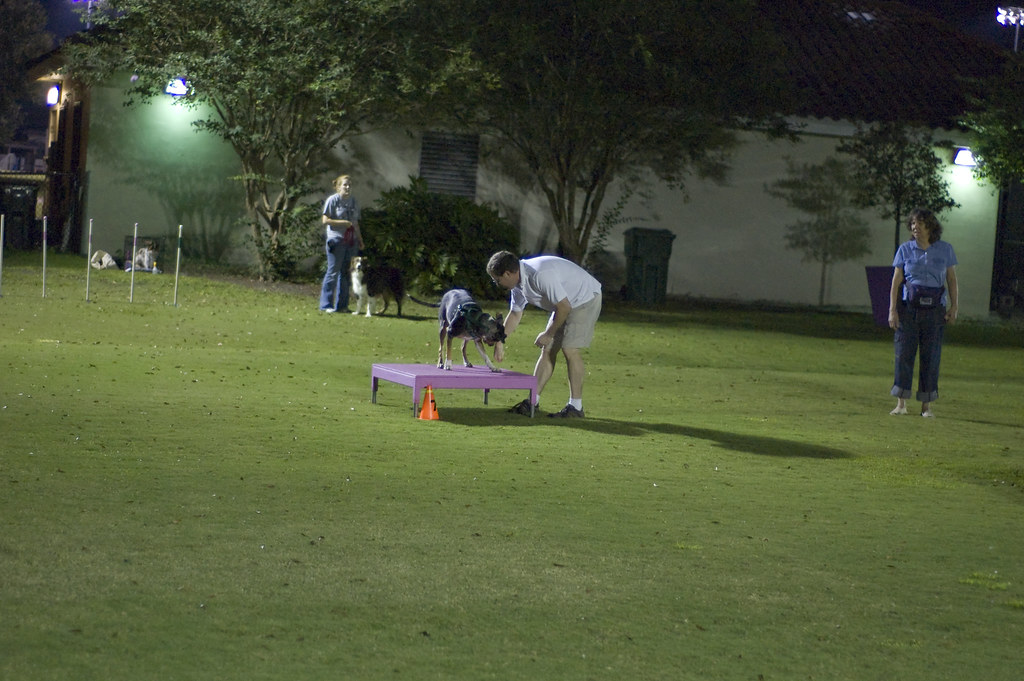
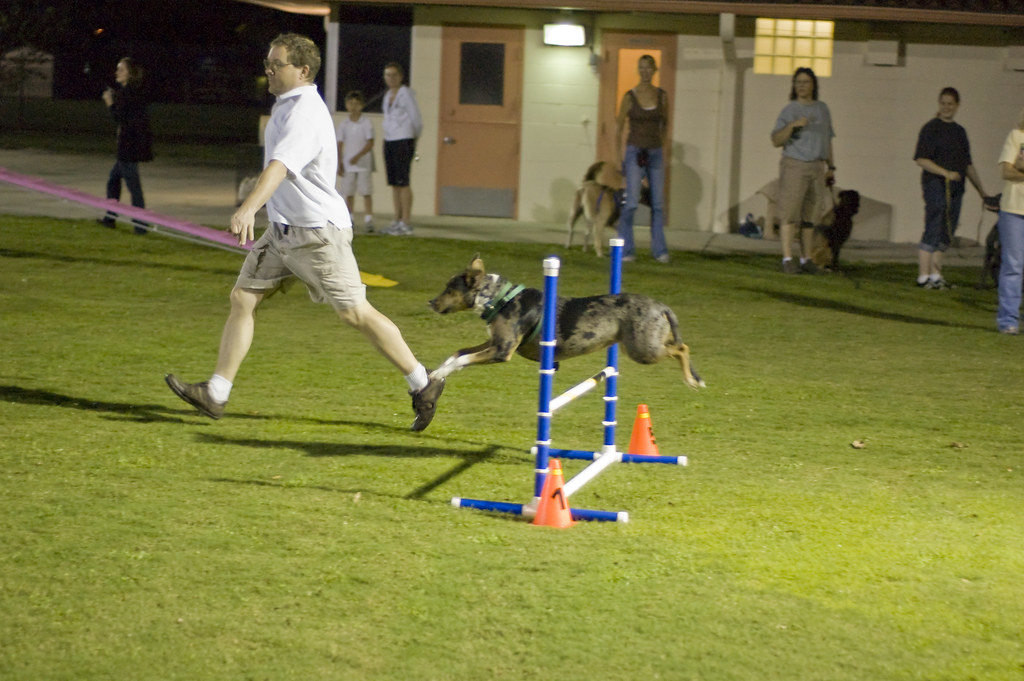
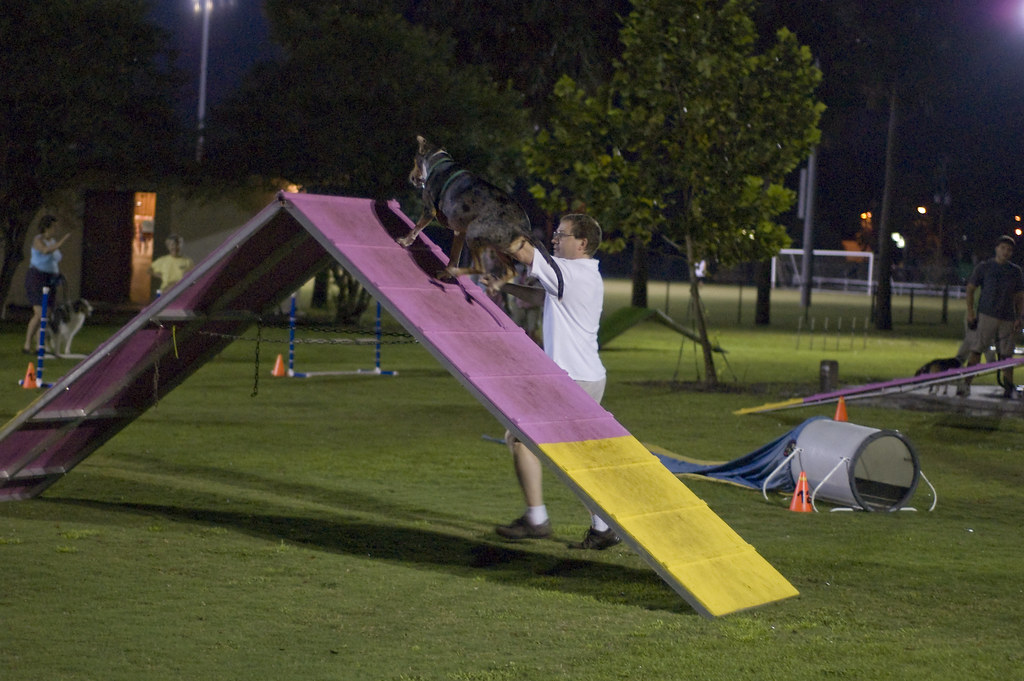
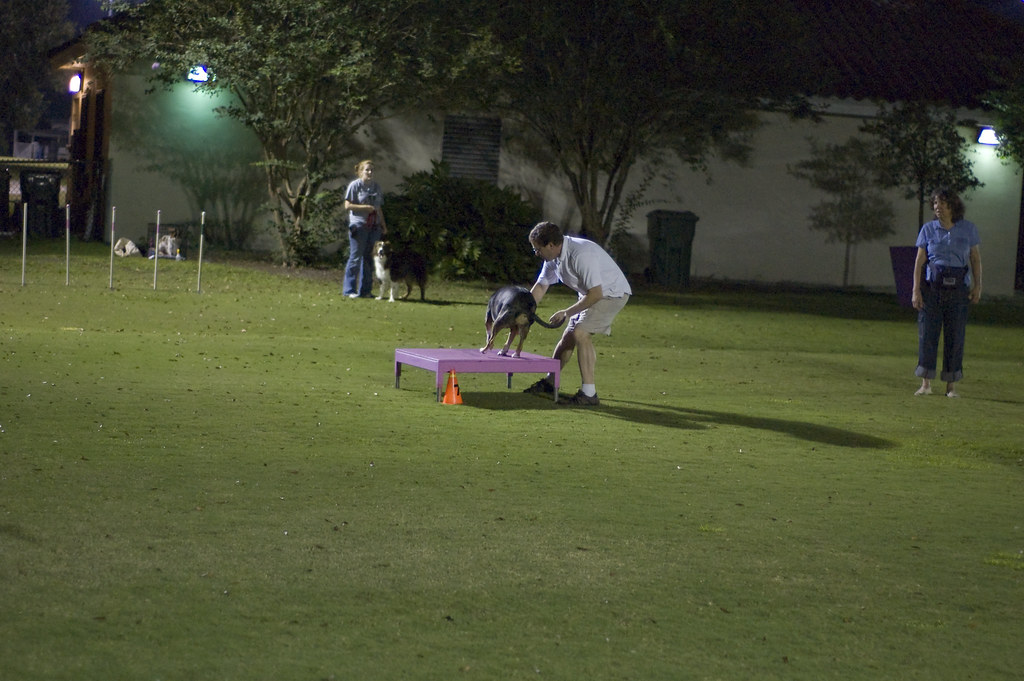
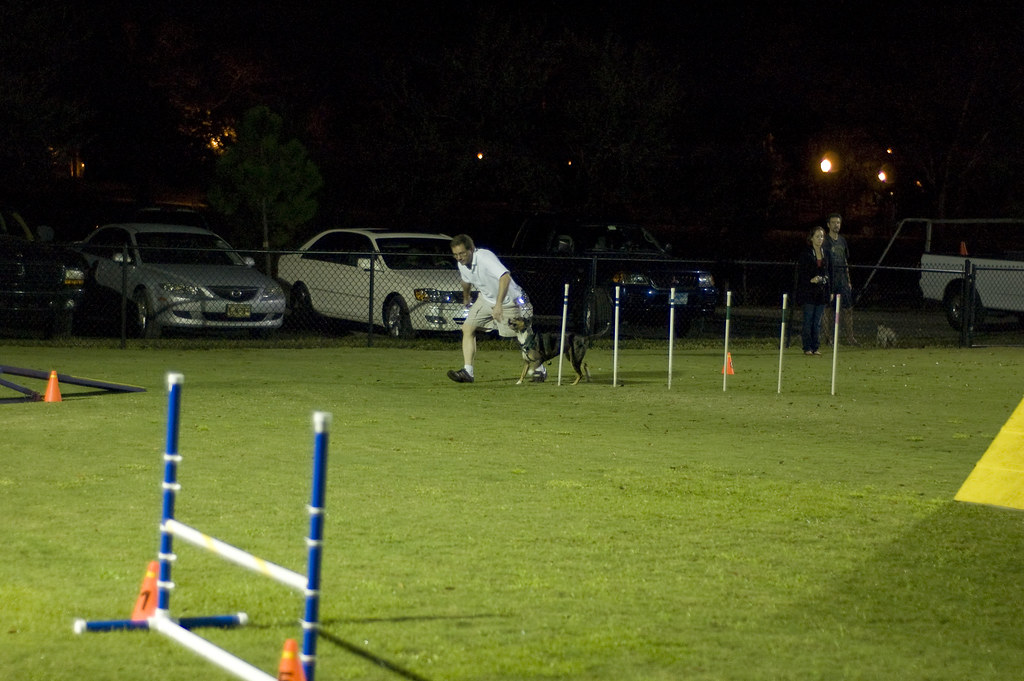
Ginny and I practicing agility. Actually, Ginny is the agile one:


Wednesday, October 01, 2008

Nice Little Laptop

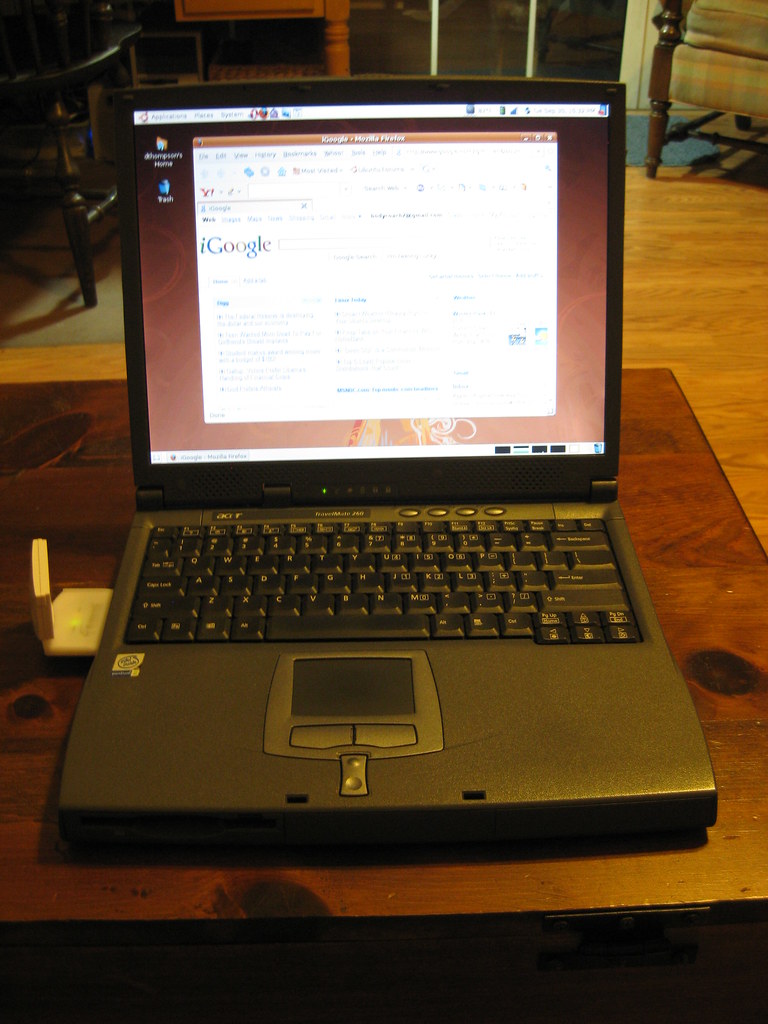
I recently acquired an Acer TravelMate 260 (really a 261xc) laptop. It's a Pentium III, came with 256 MB ram, and a 30 GB 4200rpm hard drive. The battery was shot. It didn't work at all. As I usually do when I acquire a piece of equipment, I did a few searches on it to find out what the perks and quirks were. There was some good news - it was reported to have a 4 hour battery life.

I installed Xubuntu on it. It worked okay, but not to the level of what I thought Xubuntu should give me. Speed wasn't very good at all. I wiped Xubuntu, and installed stock Ubuntu, just to see what would happen. Weirdly enough, stock Ubuntu ran faster. Much faster. I'm not sure what didn't work with Xubuntu, but I'm glad Ubuntu worked well. I'm now encouraged to make stock Ubuntu the regular Free Geek Central Florida install, no matter what the machine (except a Pentium II -those get UbuntuLite).

Battery life has always been more important that speed for me. I'm not a gamer, and if I was I'd use a desktop for my gaming. I use my laptop for internet, writing, and various wireless security practices. This laptop actually matched my needs better than my current laptop.

I purchased a faster 80 GB 5400 RPM, added 512 MB ram to it, and reinstalled Ubuntu. Processor throttling is there, not heavy command line work to get that going. Suspend and Hybernate just work. And, the battery life is crazy good. I've been on it for 3 hours, and yet to have it drop below 60%.

The computer has only two issues:
  1. Occasionally, I have to eject and push the battery back in for the computer to start -without being plugged in. Not a big issue at all.
  2. Full screen Youtube videos are choppy and jitter. Regular boxsize work fine. DVD's play good too. Just large screen Flash isn't that good. Might be because of the 8 MB video ram.

Tuesday, September 09, 2008

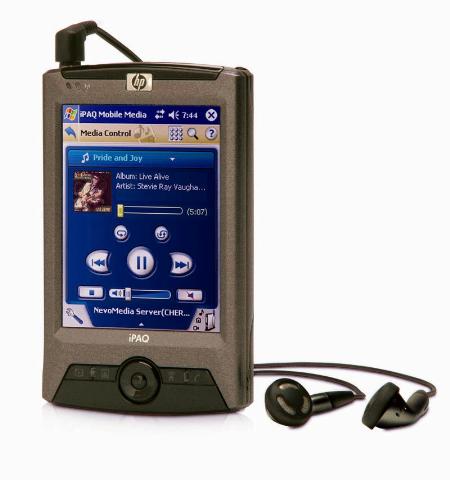
Tech Comparison: iPod Shuffle, HP iPAQ, and iPod Touch

Two weeks, I acquired an iPod touch. I guess through the gifts of Karma, I get to experience the iPhone/iPod Touch phenomenon. So, I thought I'd do a slight review and comparison between the different devices I have.

I chose the shuffle after reading several reviews, but one review in particular sold me (click here to read the review). This is one tuff little cookie of an MP3 player. I have the 1 GB model, and it holds about 5 audiobooks, and 10-15 more podcasts depending on their size. 

What I like:
  • I love it's size. It's actually smaller than a Sweet'n'Low pack, thicker, but not much. The controls are simple. 
  • I like that I can quickly start, stop, forward, and reverse. 
  • The battery life on the iPod Shuffle is long enough that I haven't been able to leak it all the way down yet. I've gone a whole week without a recharge, playing it for a few hours a day. 

What I don't like:
  • I don't like that I can't load on OGG files, WMA files, or other types. 
  • Sometimes, when I connect the Shuffle to the desktop, it resets the bookmark on an audiobook or podcast, and I have to fastforward through the entire thing. Fastforward seems to go at 3 second forward jumps. Not very fast.
  • I don't like that I can't see what's playing. Occasionally, I'll have several episodes from one podcast show, and I can't tell which one I'm listening too. As a trade-off for the size, this is one that really doesn't bother me too much, but was a thought.

HP iPAQ rx3715


I've had my toy for almost 5 years. With the Rhinoskin aluminum cover, it's held up pretty well. Held up externally, at least. The biggest problem I'v
e had with the rx3715 is the earphone jack. I've sent it off to be repair once at a resonable cost, but it broke again a year later. The right earpiece is the only one that works. If I was really into music, I'd be upset. But since I listen to audiobooks and podcasts, it's that that big an issue.

What I like:
  • I like that Windows Mobile OS is somewhat like Windows. Close enough that most anyone would know where things are. Adding programs is actually easier on Windows Mobile than it use to be. With Windows CE, you had to add programs from your Windows desktop. With Windows Mobile, you can download programs wirelessly, and install them right from your device.
  • I like how many wireless hacking tools are available for Windows Mobile. I can use my toy for site surveys. Yeah...we'll call it that; Site Survey.
  • I like that I can download podcasts and audiobooks directly to the device.
  • I like that I can sit it on an infrared keyboard, and write. 
  • Battery life is pretty good. As long as I don't use the wireless access too much, it lasts a long time.
  • I have a library of 15,000 ebooks in all kinds of different formats, and the rx3715 has programs available for all of them. I usually keep at least 500 ebooks on that toy at any time. Just because I can.
  • I like that I can download ebooks directly to the toy.
  • I can add podcasts or videocasts any time I want, as long as I'm wirelessly connected.
  • I can control all of the TV's, DVD players, and stereo's in our house with it. Very handy, especially when we've lost the original remote.
What I don't like:
  • I don't like the problems with the headphone jack. This seems to be a common defect on this model, as there are a few PocketPC vendors that has a specific service fix for the issue.
  • I could do without the whole stylus thing. I've gone through at least six.
  • It has the older 802.11b wireless card. Works, but weak. 
  • It's a bit heavy and bulky. But, that's only in comparison to newer gadgets. In it's day, it was the best of the best.

Let me start off by say; This type of interface is the future of how we will interact with a computer. For at least the next 5 years, the laptop will become less important, and devices like these will increase. Rapidly.

What I like:
  • The touch interface is awesome. Apple really got this right.
  • WiFi is fast.
  • Lots of applications.
  • Pretty much everything I do online can be done on this thing.
  • I can put almost all of my podcasts and audiobooks on this device.
  • I makes a good alarm clock
  • Except for Microsoft Reader books, most of the eBooks I have can be put on the device.
  • Battery life is pretty good. A bit better than the iPAQ.
  • I can be used as a wireless 'jumpdrive'. Yeah...that's right; wireless!
I'm going to stop there before I fall deeper into the Mac Cult. I've got to hold to my Penguinista mentality.

What I don't like:
  • It doesn't work with Linux. At least, not yet. But, I don't hold any confidence that apple will produce a version of iTunes for Linux.
  • No way to read Microsoft Reader ebooks, yet. This isn't a show stopper, but I'd still like to be able to read my 800 .lit ebooks on the iPod Touch
  • It's not an open platform. I'm curious how Google's Android will be. I'm waiting for that to come out before I decide to upgrade my phone.
  • No camera on the iPod Touch.
  • No capability of making video on either. 
  • I can't control the TV's, DVD's, or stereo equipment.

Category Winners:
Versatility: iPAQ rx3715
Portability: iPod Shuffle
Useability: iPod Touch

Edit January 5, 2009: The Stanza app on the iPod Touch/iPhone with 2.2 update allows for some MS Reader .lit file to be used. Basically, all my .lit ebooks can now be read on the iPod Touch

Thursday, August 28, 2008

Write Me In!

Write Me In in November!


Tuesday, August 12, 2008

Citius, Altius, Fortius

It's the Olympic motto. Faster, Higher, Stronger.

There is a distinction between gold medalist and Olympic Champions. I don't think there is a word for what the difference is. I did an earlier blog about one, my favorite Olympic moment - John Stephen Akhwari in the 1968 Mexico City Olympics. For the purpose of this post, I think it bears repeating:


To this day, I tear up hearing those words. "...they sent me 5000 mile to finish the race."

Do you remember who won the marathon in 1968? They said it in the video. Even people who where in Mexico City for those games don't remember, but they remember John Stephen Akhwari. Akhwari, even though he came in last -with a broken leg, still beat 17 other competitors who didn't finish.

Citius, Altius, Fortius - Faster, Higher, Strong. I'll let you decide which it is.


Fly Like and Eagle

Another Olympic favorite story for me: Eddie "The Eagle" Edwards

Edwards, a ski jumper from the United Kingdom -the first Brit to do so. He trained with used or donated equipment, and was extremely short-sighted. His glasses and goggles usually fogged to such a degree while training, they were rendered useless.

On his jump in 1988 Calgary Olympics, Eddie came in last. But, he'd jumped his best, threw his hands up in victory on his landing, and the crowd roared for him:


From the Wikipedia Entry on Eddie The Eagle:
At the closing ceremony the president of the Games singled him out for his contribution: "At this Games some competitors have won gold, some have broken records and one has even flown like an eagle." At that moment, 100,000 people in the stadium roared 'Eddie! Eddie!'. It was the first time in the history of the games that an individual athlete had been mentioned in the closing speech.

The President of the IOC singled out the last place finisher, not the gold medal winner. Even ski jump fans will remember Eddie The Eagle before they remember who won that event. Who was the real Olympic Champion of the 1988 Ski Jump competition?

Citius, Altius, Fortius - I think Eddie's nickname implies which one.

Cool Runnings

Did the gold medal winner of the Bobsled event of the same 1988 Calgary games get a movie made about them? Does anyone even remember who won the event that year? Or, do most remember who showed up?


Jamaica stunned the world by showing up. And, they had a successful movie made about them.
Citius, Altius, Fortius

The Eel
Eric Moussambani, from Equatorial Guinea, had never seen an Olympic size pool till he walked into the venue in 2000 Sydney Olympics. He'd only started swimming eight months before the race, practicing in a hotel pool. Moussambani proudly represented his country, and had to do it by himself, in front of an Olympic crowd:


While the video above is done by a pair of comedians, the performance of Moussambani, while imperfect, is still very memorable.

The Gold Medal winner is not always the Olympic Champion.

Citius, Altius, Fortius

Wednesday, July 30, 2008

Linux Beauty

Can you do this with Vista or OSX?

Monday, July 28, 2008

HTML class done, but not done with Valencia Community College

Taking the html class at school really helped. I think the pace of the online class was a bit much for the amount of material covered. I'm going to keep learning web publishing. Eventually, coding programs directly on an OS will be obsolete. Unless your program to run a warp drive, or hyperspace jump stuff. Don't even get me started on how bogus a transporter beam would be. Let's just say, I agree with Scott Adams.

Unfortunately, my days at Valencia Community College aren't quite done. Evidently there is one little 1 credit course I have to take to graduate, then move on to University of Central Florida. It's a 'job search' course. I hear it actually helps some people, especially with resume preparation. When I first heard I had to take one more course, I was really discouraged. I'm wanting to get to UCF, and get done with it. Move on. But, that irritation lasted a day, then I was fine with it.

I'm going to spend the next few months focused on studying for, taking the tests, and getting as many IT certifications as possible before December 31. I already have the A+ certification, so next:
  1. Network+
  2. Security+
  3. Linux+
After that, I'll start on the MCSE stuff (Microsoft Certified Systems Engineer). I'm loath to go there, but I need to (like I actually know what loath means).

Wednesday, July 16, 2008

Saturday, July 12, 2008

The Pace of Ubuntu

Since Ubuntu 8.04 LTS Hardy Heron came out I've been receiving updates almost daily. No exaggeration. Daily. Not just system updates, but updates for different programs I have installed.

Microsoft does updates once a month, the second Tuesday of each month. And, they only update Microsoft software. Apple isn't much different.

Now, granted, much of the Open Source Software is in the alpha or beta stage, so frequent updates are expected. But Windows XP and Vista aren't really much different. Even after seven years, XP still feels like the beta version, and Vista is barely alpha. Sure, it works, but even after the service pack, there's STILL the file transfer problem.

In a recent article, Windows, OSX, and Ubuntu were compared for system and security update server 'up-time'. This was based on the servers being 'pinged' every 5 minutes. Windows won, with zero downtime. Mac came in second, and Ubuntu came in third with one day, five hours, and 45 minutes of downtime.

I have machines with Window, Mac OSX 10.5, and Ubuntu 8.04(.1). In the time between April 1st and June 30th, I received updates from Microsoft about six times. My install of OSX 10.5 is recent, but I've received two updates from Apple. It would take most of this blog to tell you how many updates I got from Ubuntu in that time. Not just to the system software, but individual program updates. Updates from Ubuntu come in almost daily still.

I'm wondering if Open Source Software is growing faster. I mean exponentially faster. It's quite possible. But, when I listened to the most recent episode of LugRadio (their last episode, evidently), it seems that big projects like OpenOffice.org have organizational problems that hold back progress (not just OO.o -they're an example). It seems the bigger the project, the slower the pace. Still OpenOffice.org is growing fast than MS Office. MS Office is still far ahead in functionality -or so I'm told. I've used only OpenOffice.org for over a year now. I've not experienced any functionality problems. I do admit to the most basic use of Office applications, so I'm not pushing the envelope there.

Maybe it's just my perspective -being that I watch things like this. It may take awhile for Open Source projects to match or best proprietary one, but I think it will happen sooner than most think. As more desktops and servers have Open Source installed on them, the momentum will be unstoppable. Until the asteroid comes, that is. Or Yellowstone blows. Or global warming melts everything. Or we trash everything, and Wall-E has to save us.

Thursday, July 10, 2008

Wednesday, July 02, 2008

Friday, June 27, 2008

Introducing Baby Gavin

This is baby Gavin, about 15 minutes after he was born. He was looking around at all of us.

Tuesday, June 24, 2008

Monday, June 23, 2008

Pretty fly for a white...computer

If you're Apple user, consider this question carefully:
Would you still use Mac OS X if it could be installed on any type of PC?

I believe most people move to Apple because they were seduced by the pretty equipment. I'll give Apple that; they make good looking hardware. Others moved to Apple because they liked their iPod. The Mac vs PC commercials have been pretty successful at moving people to Mac.

Apple hardware is expensive. They usually go with the best stuff available at the time of manufacture, and make sure it runs on OS X. Price is the biggest obstacle for most people who'd like to buy a Mac. When money is tight, there's little choice when the laptop PC is $600, and the Mac is $1200. Yes, there is the Mac Mini. That does bring OS X closer to the masses, but the Mini hasn't been that great of a seller. I'd get one, but I'm me.

If you could go to Wal Mart, back in the electronics section, up to the software wall, get the recent upgrade to OS X (we'll call our imaginary version 10. 7.22.1 "Ferral Cat"), take it home and install it on your laptop or desktop PC, would you do it?

If so, why? Besides the malware issues with Windows, what other reason do you choose or prefer OS X over WindowsXP/Vista or Linux?

Knowing me, I'd rush to the Apple store, get me a brand spanking new Mac Book Pro, and have buyers remorse before I got to my car. I'd keep the computer, though. It's pretty.

Tuesday, June 17, 2008

Security or what?

Best line I've heard in years:

"It's not a question of Security vs Privacy. It's a question of Liberty vs Control!"

Saturday, June 14, 2008

Security Updates

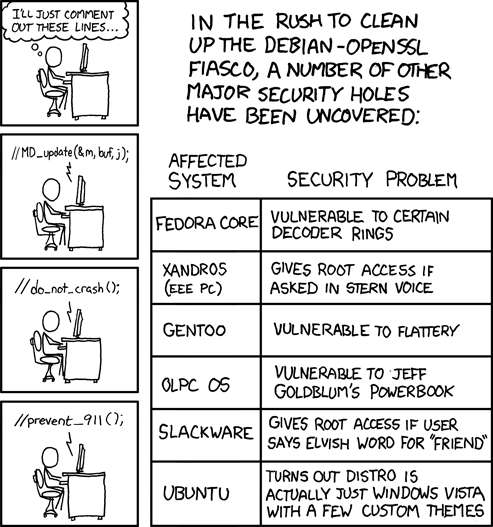
I'm of the mindset, "Once a system has been compromised, it can't be trusted." If I find malware on a computer, be it Windows, Mac, or Linux (unlikely for the last two), I complete wipe it (Dban), and reinstall the system. It's funny to me that people still call it, "reformat". We've passed the Windows 98 days, folks. If you try to simply clean the system with anti-virus/spyware/adware solutions, you can't be sure the problem is gone. Only by wiping and reinstalling can you be sure.

Wipe the hard drive:
Dban
Tutorial on using Dban: Iron Geek

Some information on reinstallation:
PC World - Step By Step, reinstall Windows
About.com - How to Reinstall Windows without losing your data
Chris Parillo - How to Reinstall OSX
Dartmouth - Reinstalling OSX

Reinstalling Ubuntu is about the same as the above information. You can install Ubuntu from the DesktopCD, or the Alternative Install CD. Free Geek Central Florida gives a copy of Dban and the Ubuntu DesktopCD with each FreekBox.

But, you then hit the problem of how the malware got there in the first place. Wipe/reinstall won't stop the problem from happening again. It might - if the original problem happened from a vulnerability that's been recently patched- but it will probably happen again.

Once you're wiped and reinstalled the system, don't forget to do ALL the system updates. This is especially important on Windows.

Most malware comes from manipulation the user in order to get to the system. Email attachments, malicious scripts on websites, malware imbedded in picture files, and 'cross site scripting' are just a drop in the bucket of social engineering. The hard part is to learning how the original problem happened.

If you're a home user, a simple wipe, reinstall, update will take care of most malware and vulnerabilities. But, if you're an organization with 5 or more users, that simple procedure won't be enough.

What will be enough depends on the size of your business, the importance of the data, and what you can afford. That is whole 'nuther book, not just a blog post.

Use the anti-virus/spyware/adware products and programs to detect if you have something. If you do, don't bother 'cleaning', 'quaranteening'. Just wipe and reinstall.

Free anti-malware resources:
ClamWin -This is what I use for Windows
ClamXav - ClamAV for Mac
ClamAV - for Linux/BSD

And don't keep your personal files on the same disk as your system. That's just asking for trouble.